
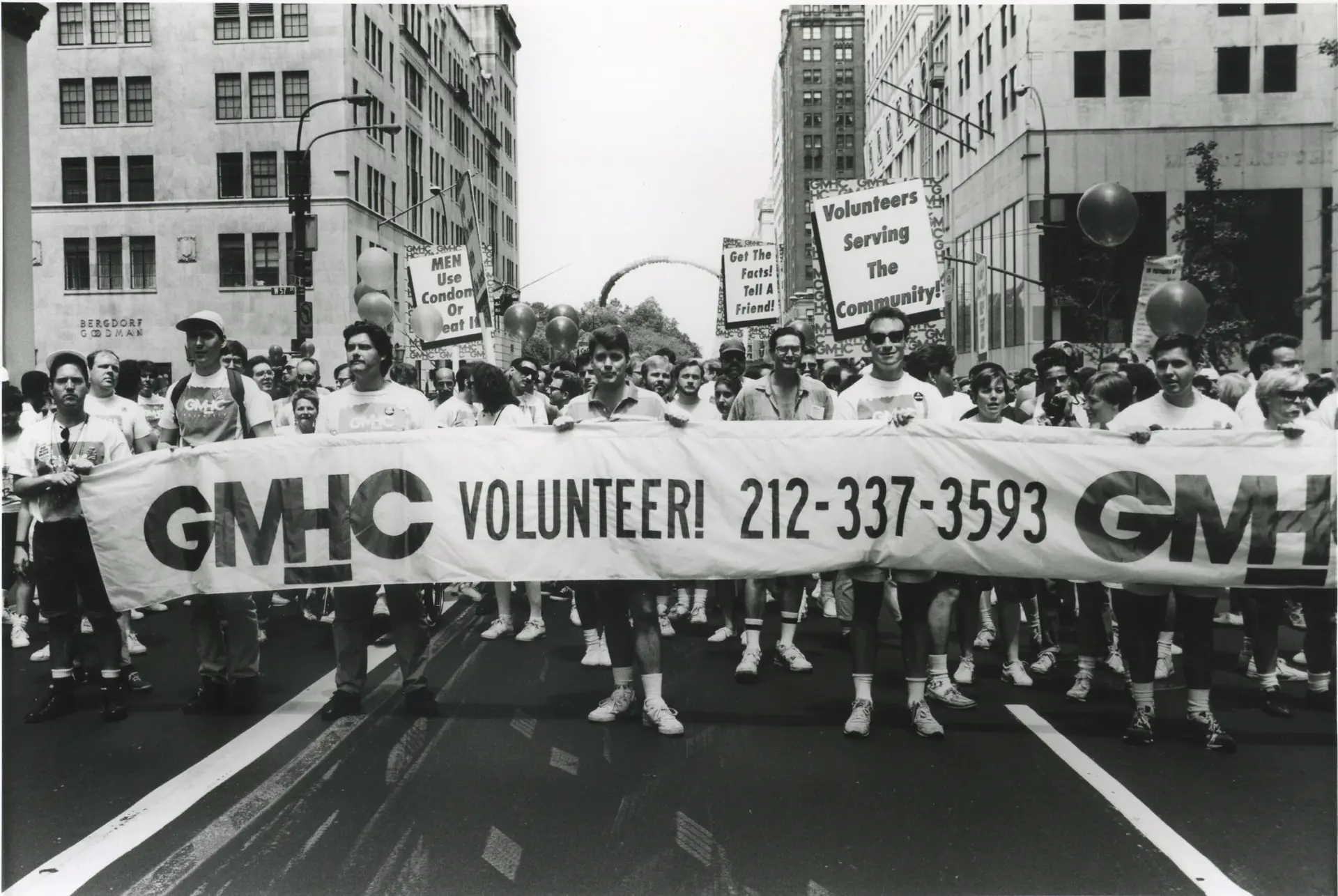
Over 45 years, GMHC has grown from HIV/AIDS crisis management, marching in the 1985 NYC Pride Parade with a red and white banner reading “fighting for our lives,” to a comprehensive care organization that provides testing, advocacy, and space for the Ballroom community.
For GMHC, Pride has always been more movement than parade. We are there to tell the truth about HIV and AIDS, honor lost loved ones, remind the public of our life-saving services, and remain defiant against political backlash and funding crises.
As we mark our 45th anniversary and gear up for a month of Pride celebrations throughout June, we’re looking back at some of GMHC’s most memorable moments across the decades.
1982-83: GMHC is born
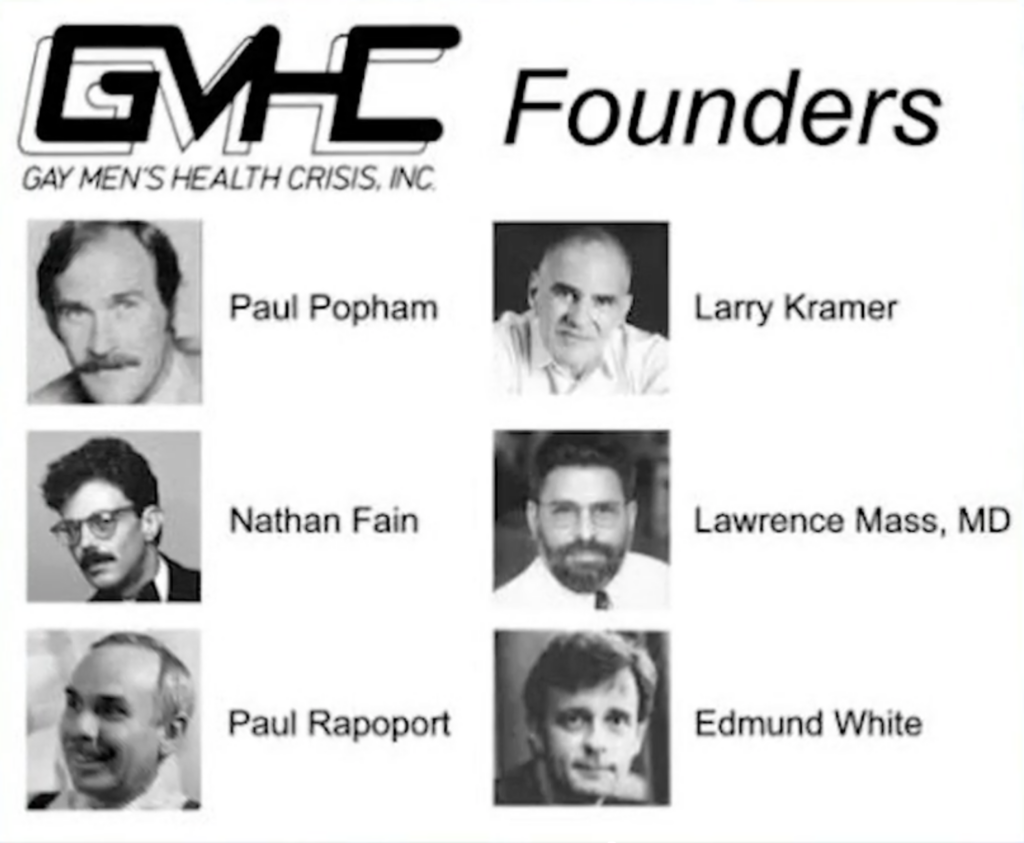
Founded by six activists — Nathan Fain, Larry Kramer, Larry Mass, Paul Popham, Paul Rapoport, and Edmund White — GMHC becomes the world’s first HIV/AIDS service organization. The timing is critical: the epidemic has become a crisis for hundreds of Americans. Over the next 18 months, GMHC raises its visibility, establishes the world’s first AIDS hotline, produces a newsletter distributed to 50,000 doctors, hospitals, clinics, and the Library of Congress, and launches the landmark Buddy Program to help people with AIDS with their day-to-day needs.
The following year, GMHC funds litigation of the first AIDS discrimination suit by Lambda Legal Defense and Education Fund, and sponsors the first major fundraising event for AIDS — a benefit performance of the Ringling Bros. and Barnum & Bailey Circus.
1986: AIDS Walk New York kicks off
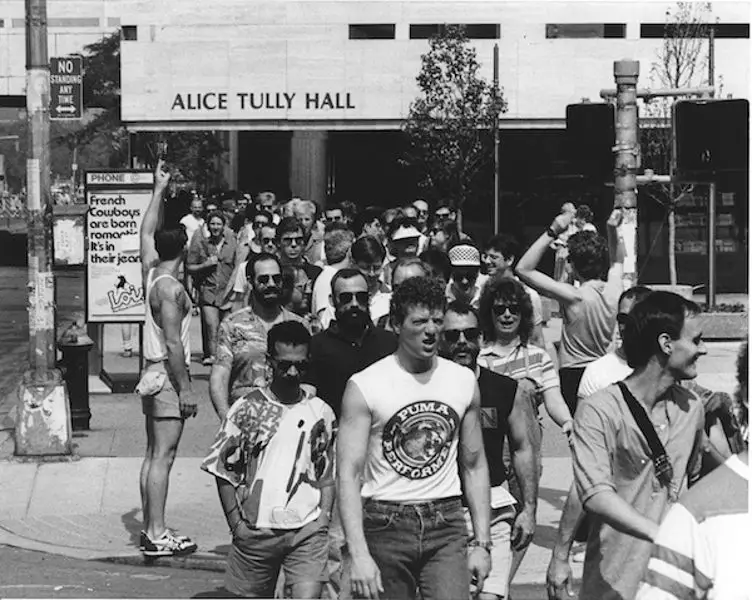
On May 18, GMHC inspires more than 4,500 people to walk 6.4 miles and raise $710,000 in the first AIDS Walk New York. The Walkathon, which kicks off at Lincoln Center, helps GMHC improve care for people dying of AIDS-related complications and lobby the government for research and treatment. Governor Mario Cuomo serves as Chairperson; Mayor Edward Koch and musician Peter Allen are special guests. Allen debuts what becomes his signature song, “Love Don’t Need a Reason.”
Today, AIDS Walk New York is the largest single-day AIDS fundraising event in the world and has raised $170 million for HIV and AIDS service organizations across the tri-state area.
I connected to GMHC when I participated in the first AIDS Walk New York in 1986. Over the decades, I have seen firsthand the expansion of people at GMHC's walk and Latex Ball, and the increase of citywide LGBTQ+ Pride events. We come together to uplift people living with and affected by HIV and AIDS, remember those who have died, and recognize our collective work continues to fight health inequities.
Krishna Stone
1993: The Latex Ball earns 10s across the board
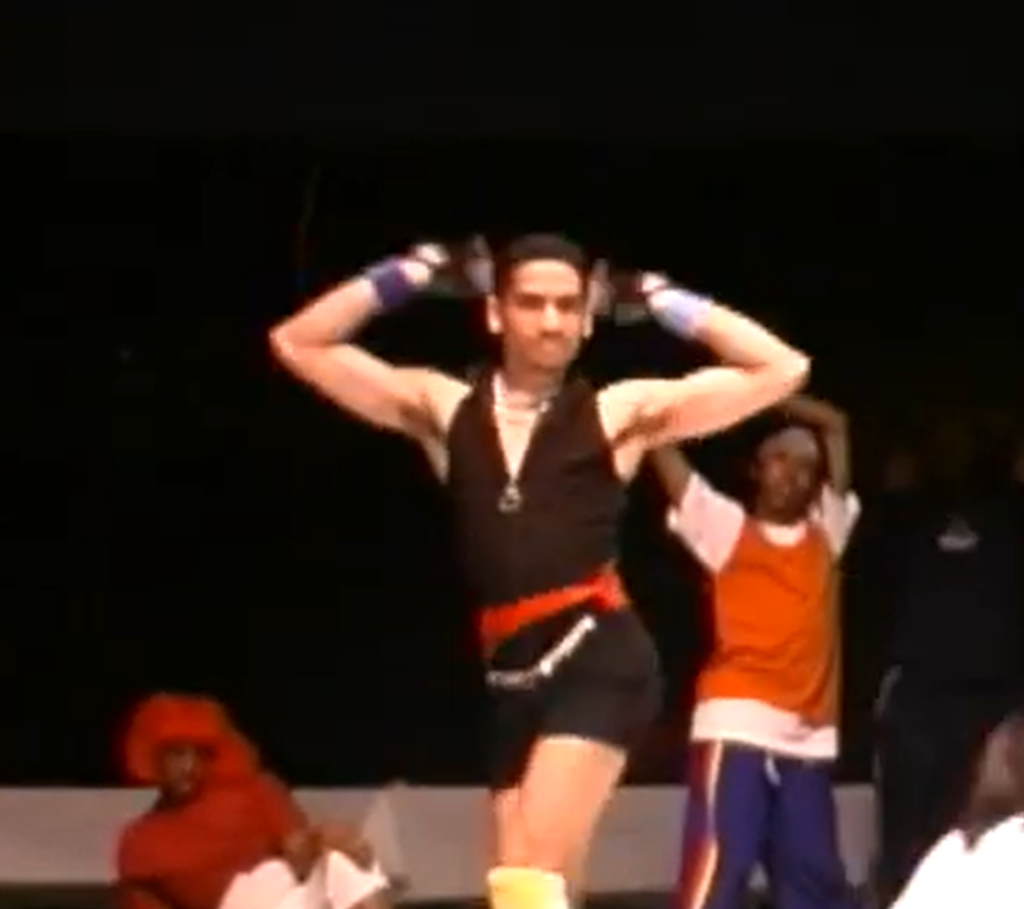
Every June, the Latex Ball brings the community together to walk, pose, and twirl in one of GMHC’s most legendary Pride traditions. It’s the largest annual event of the international House and Ball community. Using a “Triple E” approach — Education, Entertainment, and Empowerment — the event celebrates Black and Latinx LGBTQ+ youth and adults while serving as a sexual health fair with free HIV testing and education. Over the years, thousands have attended, including celebrities Ryan Murphy, Janet Jackson, and Tamar Braxton.
Long ago, GMHC made a direct commitment to the Ballroom communities that until there was a cure, the Latex Ball and the programs connected to it will always be there to support and guide them. For nearly two decades, I have dedicated myself to ensuring that GMHC upholds that commitment.
Luna Luis Ortiz
1998-2000: Making Pride practical
As HIV and AIDS urgency competes with national Y2K fever, GMHC launches the “Beyond 2000 Sexual Health Survey” — the largest survey of gay and bisexual men since the beginning of the epidemic. A GMHC study published in Newsday estimates 69,000 people in New York State have HIV but remain unaware of it. The GMHC AIDS Hotline becomes accessible via email, expanding reach at a critical moment.
Across Pride events throughout this era, GMHC consistently uses the month not just to march but to offer HIV testing, sexual health information, and connections to care — turning visibility into direct service and meeting people where they are.
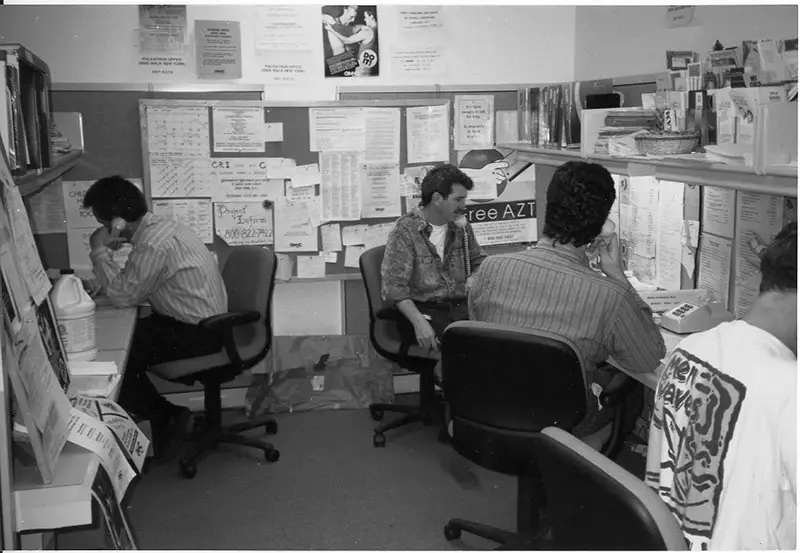
2024: Boycotting the NYC Pride March to protest HIV funding cuts
Not every defining Pride moment is celebratory. In 2024, GMHC and other HIV/AIDS service organizations boycott the NYC Pride March in response to proposed city budget cuts to HIV and AIDS programs. Instead, GMHC turns Pride month into a platform for urgent advocacy — rallying at City Hall and warning that cuts would damage essential services. The move echoes Pride’s protest roots and underscores a lesson GMHC has long embodied: sometimes the most powerful way to show up is to refuse business as usual.
2025: Returning in full force
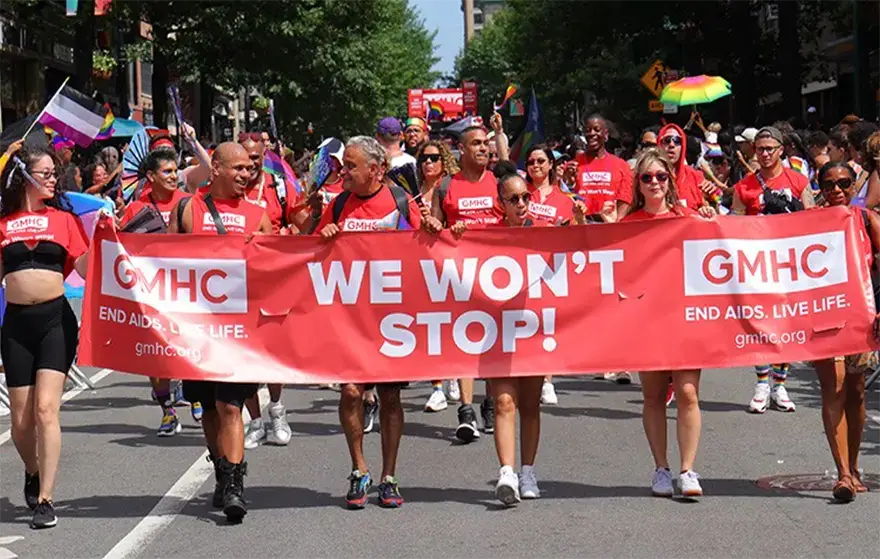
After the 2024 boycott, GMHC returns to the NYC Pride March with a float, music, and a contingent. The comeback makes clear that GMHC’s Pride story is not a straight line from protest to party — it is an ongoing cycle of resistance, service, memory, and renewed presence.
Taken together, these moments tell a larger story about GMHC itself. At Pride, the organization has marched, mourned, educated, celebrated, protested, and returned — again and again — with the communities most affected by HIV at the center. That history is what makes GMHC’s Pride legacy so powerful: Pride can be both remembrance and refusal, both joy and public health, both spectacle and solidarity.
Stay in the Know
Sign up to receive our monthly newsletter, updates about events, and other helpful information.